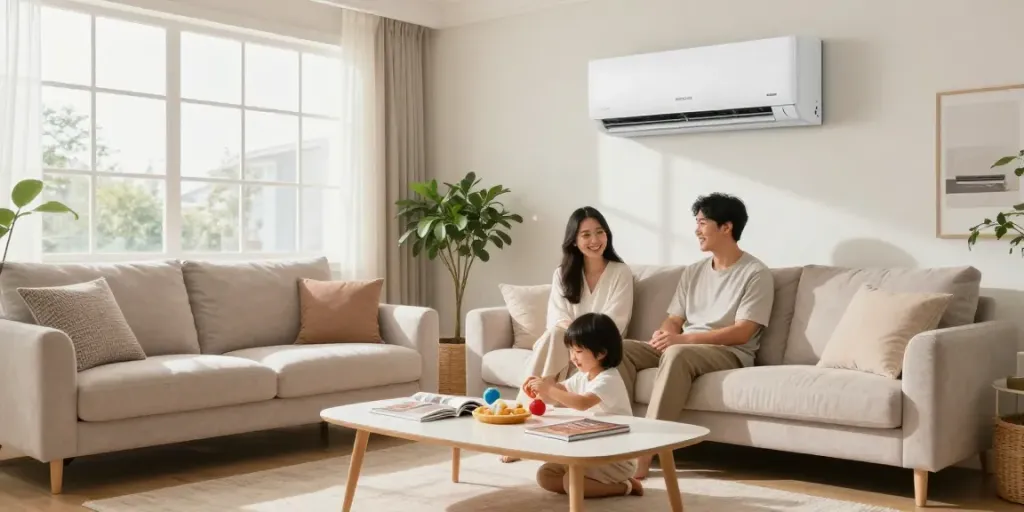
Understanding Ductless AC Systems
Ductless air conditioning systems have rapidly gained popularity as an efficient and flexible solution for heating and cooling various spaces. They serve as an excellent alternative to traditional centralized HVAC systems, especially for homes without existing ductwork. Whether you are looking to cool a single room, upgrade an older system, or enhance the comfort of your living space, exploring options in ductless ac can provide comprehensive insights into your best choices.
What is a Ductless AC?
A ductless AC, often referred to as a ductless mini-split system, is a type of heating and cooling system that operates without the need for ductwork. Instead, it consists of two main components: an outdoor compressor unit and one or more indoor air-handling units. The systems use refrigerant lines to connect these components, allowing for efficient transfer of heat and cold air as needed. Understanding this configuration is crucial for evaluating its feasibility in your home.
How Ductless AC Works
Ductless AC units utilize advanced inverter technology that regulates the flow of refrigerant according to room temperature, ensuring optimal comfort. The outdoor unit absorbs heat from the outside air and transfers it indoors during the heating season, while the process reverses during summer, pumping cool air indoors. This operation allows for tailored climate control in each room, granting you the flexibility to adjust settings according to individual preferences.
Benefits of Ductless AC Systems
- Energy Efficiency: Ductless systems have high SEER (Seasonal Energy Efficiency Ratio) ratings, translating into lower energy bills compared to traditional systems.
- Installation Flexibility: Ideal for homes without ductwork, ductless systems can be installed in various configurations and locations, including ceilings and walls.
- Improved Air Quality: With no ducts to trap dust and allergens, indoor air quality is significantly enhanced.
- Zoned Cooling and Heating: The ability to set different temperatures for different zones means greater comfort and energy savings.
Choosing the Right Ductless AC for Your Home
Selecting the right ductless AC system involves various considerations that can affect performance and satisfaction. By prioritizing your home's unique needs, you can make an informed decision.
Factors to Consider When Selecting a Ductless AC
Key factors include the size of the area to be heated or cooled, energy efficiency ratings, and the number of zones you'll need to service. Additionally, consider the brand reputation and warranty options, as these can be a reflection of reliability and customer service.
Comparing Brands and Models
When comparing different brands and models, pay attention to reviews and ratings from consumers and experts. Brands such as Mitsubishi, Fujitsu, and Daikin are well-regarded for their performance and durability. Look for models that feature advanced technologies, such as programmable thermostats and Wi-Fi compatibility, which can enhance ease of use and control.
Installation Requirements for Ductless AC
Installation can vary based on the complexity of the system and the existing infrastructure of your home. Ductless AC systems typically require a qualified technician for installation to ensure proper setup and optimal performance. Consider any local building codes and regulations that may apply.
Common Misconceptions About Ductless AC
Several myths surround ductless AC systems that can mislead potential buyers. By addressing these misconceptions, you can make an informed choice.
Myth vs. Reality: Ductless AC Efficiency
One common myth is that ductless systems are not as efficient as traditional centralized units. In reality, ductless systems can often achieve higher energy efficiency rates due to the absence of duct losses and the ability to target specific areas.
Noise Levels in Ductless Systems
Many assume that ductless systems are noisy, but modern units operate quietly, often comparable to a standard refrigerator. Their design minimizes noise, making them ideal for bedrooms and quiet spaces.
Cost Analysis: Ductless AC vs. Traditional Systems
Initial cost is another point of contention, as ductless systems can be more expensive upfront compared to traditional units. However, the long-term savings on energy bills often outweigh the initial investment, as well as reduced maintenance costs.
Maintenance and Troubleshooting for Ductless AC
To ensure your ductless AC system operates efficiently, regular maintenance is essential. Proper care will prolong the life of your unit and maintain its efficiency.
Essential Maintenance Tips for Longevity
- Clean or replace filters regularly to maintain optimal airflow and efficiency.
- Schedule annual professional inspections to check refrigerant levels and inspect electrical components.
- Keep the outdoor unit free from debris and obstacles to ensure proper airflow.
Common Issues and How to Fix Them
Common problems include inadequate cooling or heating, unusual noises, and refrigerant leaks. In many cases, these issues can be resolved by checking filters, ensuring the unit is set to the correct mode, or calling a professional technician if the problem persists.
When to Call a Professional for Ductless AC Repair
If troubleshooting fails, or if you're experiencing persistent issues, it's advisable to contact a certified technician. They have the skills and equipment to diagnose and repair complex issues safely and effectively.
Future Trends in Ductless AC Technology
The ductless AC market is continually evolving, with advancements aimed at improving efficiency, user comfort, and environmental sustainability.
Innovative Features to Look for in 2026
As technology advances, look for features such as smart home integration, which allows users to control their systems via smartphone apps, enhancing convenience and energy management.
Sustainability and Energy Efficiency Advancements
Future models are expected to utilize eco-friendly refrigerants and advanced heat pump technologies, further reducing their environmental impact and enhancing sustainability.
Predictions for Ductless AC Market Evolution
The ductless AC market is predicted to grow due to increased consumer awareness of energy efficiency and the need for customizable home heating and cooling options. This growth will likely lead to increased competition among manufacturers, driving innovation and improving affordability.
What is the average cost of a ductless AC installation?
The average cost of ductless AC installation depends on several factors, including the number of indoor units, size of the outdoor unit, and local labor rates. Typically, homeowners can expect to pay between $3,000 and $5,000 for a complete installation.
How long does a ductless AC system last?
With proper maintenance, ductless AC systems can last between 15 to 20 years. Regular check-ups and attentive care will maximize their lifespan.
Are ductless AC systems more efficient than central air?
Many studies indicate that ductless AC systems are generally more efficient than central air systems, particularly in homes without existing ductwork, due to reduced energy losses.
Can I use a ductless AC for heating?
Yes, ductless AC systems can also provide heating. Many models feature heat pump technology, allowing them to reverse the cooling process and effectively heat your space in colder months.
What maintenance do ductless AC systems require?
Maintenance for ductless AC includes regular filter cleaning, annual professional inspections, and ensuring the outdoor unit is unobstructed. This helps to maintain efficiency and extend the unit's lifespan.