Understanding First Aid Essentials
First aid is an essential skill that can save lives in emergency situations, providing immediate care until professional help arrives. Understanding the nuances of first aid things equips individuals with the knowledge and confidence necessary to respond effectively in crises. Whether in the workplace, at home, or outdoors, having a solid foundation in first aid is crucial. In this article, we will explore what first aid entails, the significance of training, and practical responses to common scenarios.
What Are First Aid Things?
First aid things refer to the various tools, techniques, and knowledge required to provide initial care in medical emergencies. This includes items found in a first aid kit, such as bandages, antiseptics, and other supplies that aid in treating injuries or illnesses. Beyond physical items, it encompasses the skills and procedures learned through training to effectively address emergencies.
The Importance of First Aid Training
First aid training is essential for everyone, regardless of their profession or lifestyle. It empowers individuals to act swiftly and confidently in emergencies, potentially saving lives. Trained individuals are often better equipped to manage situations like cardiac arrest or severe bleeding, where every second counts. Additionally, training helps reduce panic and anxiety during emergencies, as individuals feel prepared to handle crises responsibly.
Common First Aid Scenarios and Responses
Understanding common first aid scenarios can dramatically improve response times in emergencies. Some frequent situations include:
- Choking: Administer back blows and abdominal thrusts until the obstruction is dislodged.
- Burns: Cool the burn with running water and cover it with a sterile dressing.
- Fractures: Immobilize the affected area and seek medical assistance.
Building Your First Aid Kit
A well-stocked first aid kit is vital for effectively managing emergencies. It should contain essential supplies tailored to the environment and potential risks faced by individuals. For comprehensive lists and tips on assembling a reliable kit, visit first aid things.
Essential Items for Every First Aid Kit
Every first aid kit should include the following fundamental items:
- Adhesive bandages in various sizes
- Sterile gauze pads and adhesive tape
- Antiseptic wipes or solution
- Scissors and tweezers
- Disposable gloves
- Pain relievers (e.g., ibuprofen or acetaminophen)
- CPR face shield or mask
Customizing Kits for Specific Needs
While a standard first aid kit is essential, customizing it based on specific needs can enhance its effectiveness. For instance, if you have allergies, include antihistamines or an EpiPen. For families with children, consider adding pediatric doses of medication or child-friendly bandages. Tailoring your first aid kit can help ensure that you are prepared for unique situations.
Maintaining and Updating Your First Aid Supplies
It is crucial to regularly check and update your first aid supplies. Items can expire, become damaged, or be used in emergencies, leaving your kit underprepared. Set a schedule to review your kit every six months, restocking essential supplies and discarding expired items.
First Aid Techniques You Should Know
Having knowledge of basic first aid techniques can greatly affect the outcome of emergencies. Here are some key techniques everyone should know:
Basic Life Support (BLS) Techniques
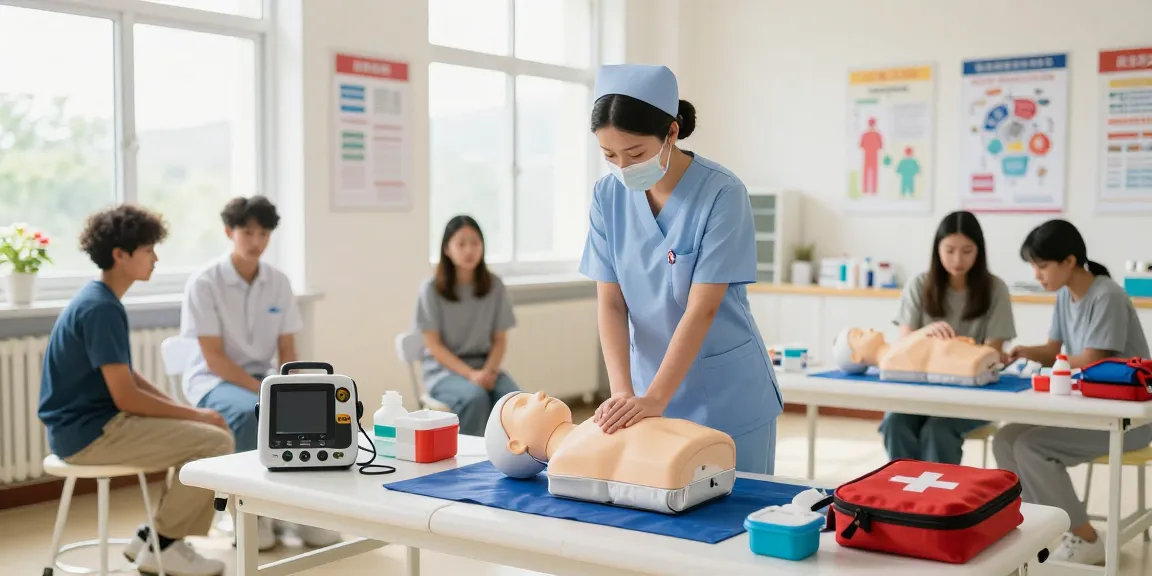
Basic Life Support (BLS) includes techniques such as CPR (Cardiopulmonary Resuscitation) and the use of an AED (Automated External Defibrillator). Understanding the steps of CPR—chest compressions and rescue breaths—can help save a life during cardiac emergencies.
Wound Care and Infection Prevention
Proper wound care is essential to prevent infection. Clean the wound with mild soap and water, apply antiseptic, and cover it with a sterile dressing. Always monitor for signs of infection, which may include increased redness, swelling, or discharge.
Managing Allergic Reactions and Anaphylaxis
Recognizing symptoms of allergic reactions, such as swelling or difficulty breathing, is vital. For severe reactions (anaphylaxis), administering an EpiPen can be life-saving, followed by calling emergency services immediately.
First Aid in Different Environments
The environment significantly influences first aid practices. Each setting presents unique challenges and requires tailored responses.
Workplace First Aid Best Practices
Implementing workplace first aid best practices involves training employees, maintaining accessible first aid kits, and knowing emergency procedures. Regular drills ensure readiness and help familiarize staff with response protocols.
Home Safety and First Aid Readiness
In the home, ensuring safety measures are in place can prevent accidents. Childproofing, clear pathways, and practicing emergency drills can prepare families for potential dangers. Additionally, it’s beneficial to educate all family members about basic first aid techniques.
Outdoor Emergency Preparedness
When participating in outdoor activities, preparedness is critical. Carry a specialized outdoor first aid kit that includes items such as insect bite treatments, sunburn relief, and additional hydration supplies. Familiarize yourself with the location and potential hazards of your activity area.
Future Trends in First Aid and Emergency Response
The landscape of first aid and emergency response continues to evolve, driven by technological advancements and changing societal needs. Here are some trends shaping the future:
Technological Advancements in First Aid Tools
Innovations such as portable defibrillators and smartphone applications for first aid guidance are becoming increasingly common. These tools can provide real-time assistance during emergencies, enabling responders to act more effectively.
The Role of Telemedicine in First Aid
Telemedicine is transforming how individuals access medical advice during emergencies. Using video consultations can help individuals receive expert guidance on managing injuries or symptoms while waiting for emergency personnel.
Community Training and Awareness Initiatives in 2026
As communities place increasing importance on preparedness, training initiatives are expected to expand. Programs focused on educating the public about first aid skills can enhance community resilience and promote a culture of safety and readiness.
What are the key components of a first aid kit?
A well-equipped first aid kit includes bandages, antiseptics, scissors, gloves, and pain relievers, among other essential items.
How often should I update my first aid supplies?
It’s recommended to check and update your first aid supplies every six months to ensure effectiveness and readiness.
What is the importance of CPR training?
CPR training is vital as it equips individuals with the skills necessary to perform lifesaving techniques in cardiac emergencies, significantly increasing survival rates.
How can I prepare for first aid in outdoor activities?
To prepare for first aid in outdoor activities, carry a specialized first aid kit, familiarize yourself with the area’s potential hazards, and ensure all participants know basic first aid skills.
What new technologies are emerging in first aid?
Emerging technologies include apps for first aid guidance, portable defibrillators, and wearable devices that monitor vital signs, contributing to improved emergency responses.
